
Classrooms look nothing like they did a decade ago. Back then, all students studied the same way. Now, with Artificial Intelligence (AI), learning is becoming smarter and more personal.
AI isn’t here to take teachers’ roles but to help them. It teaches lessons to match each student, handles grading, and identifies when a student requires extra support.
This provides teachers more time to do what they love most: teaching, inspiring, and interacting with their students.
Education is no longer the same for all. The cramming system has been left behind. So in this blog, we will survey the latest AI trends in classrooms that are becoming more engaging and insightful and match the unique learning styles of students.
The Evolution of AI in Education
From Simple Tools to Smarter Classrooms
It started small. Spell correctors, quiz apps, and spontaneous grading saved teachers some time. But those previous AI teaching tools were just the beginning of a much bigger shift.
EdTech Innovations Leading to 2026
By 2026, EdTech innovations will have devised AI apps that don’t just check answers but also track progress, foresee learning needs, and guide students through specialized paths.
Global Adoption of AI
In the US and Europe, AI-operated education stations are part of everyday learning. In developing countries, even simple mobile AI apps are opening up new opportunities by offering world-class lessons to remote areas.
AI-Powered Classrooms: What They Look Like in 2026
Smart Classrooms with AI
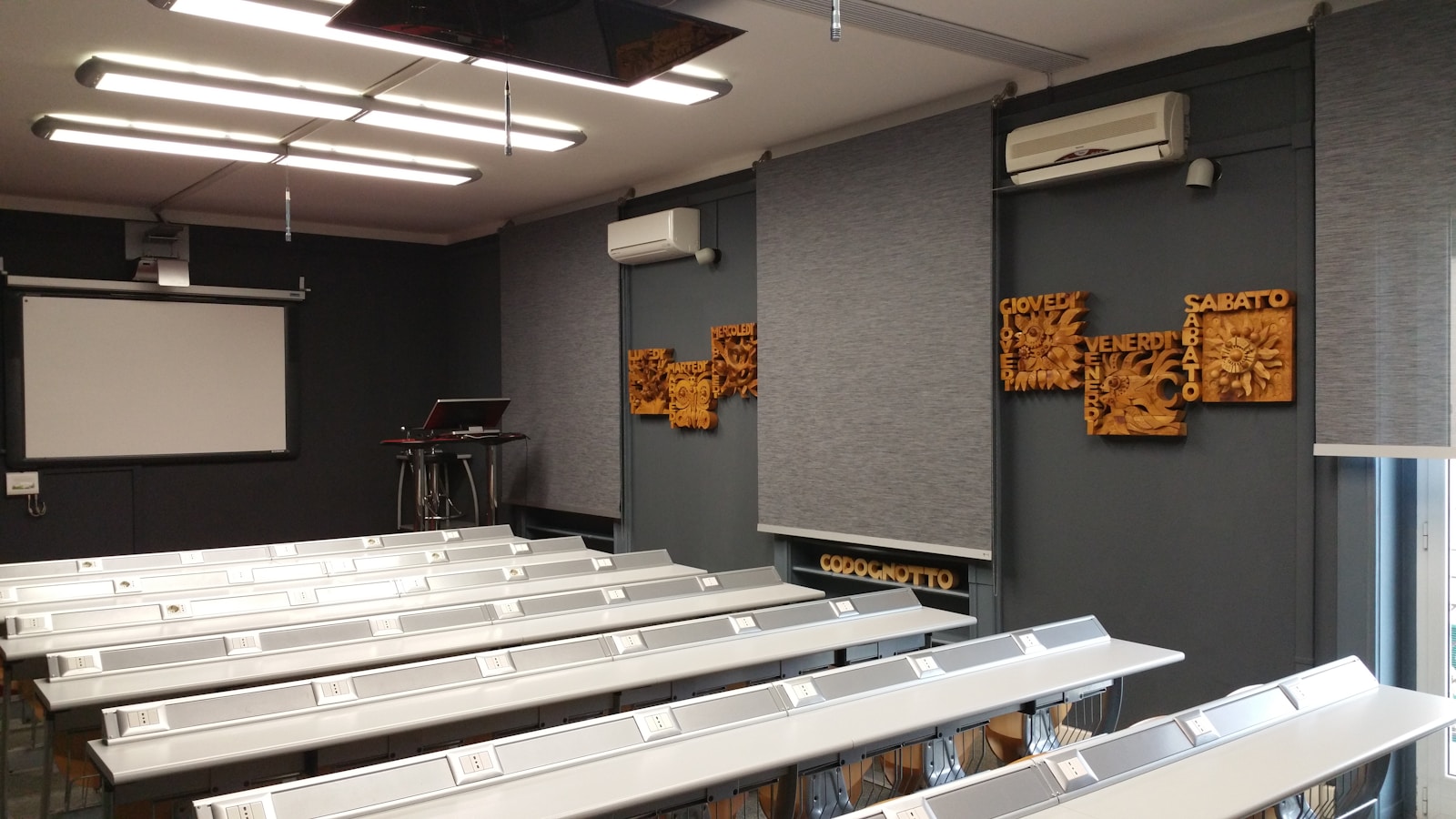
Enter a school today, and you’ll see the difference. Digital boards respond to students’ voices, while lessons are modified in real-time based on the class’s understanding.
Virtual Learning Assistants
It shows some students struggling to solve a tricky math problem. Nowadays, they don’t wait for the teacher. They give a prompt and ask an AI assistant, receive step-by-step guidelines, and find immediate help. It’s similar to having a personal tutor for every student.
Real-World Examples
In the US, schools use AI apps that offer daily activity updates. In Asia, chatbots mind post-class homework questions. Together, these AI teaching tools keep students involved and on track.
Personalized Learning with AI
Adaptive Learning Systems
Every student learns differently, and AI eventually makes it easy to teach at each student’s pace. Adaptive learning systems provide advanced challenges for fast-paced learners while facilitating additional steps for those who require more actions.
Data-Driven Custom Lessons
AI studies a student’s performance, identifies strengths and weaknesses, and creates a personalized learning plan, something no textbook could ever do.
Benefits for Students
- Learning feels less stressful.
- Confidence grows with tailored support.
- Knowledge sticks longer
- Every student feels seen and valued.
This is the dream of personalized learning with AI, where no child is left behind.
AI for Teachers: Empowering, Not Replacing

Reducing Administrative Burden
Grading piles of homework, tracking attendance, and writing reports once was the work of hours. But today, AI automates much of it, freeing teachers to focus on students. And hours of work have just been squeezed up to seconds.
Creative Teaching with AI Tools
Lesson planning apps, quiz generators, and interactive content platforms give teachers fresh, engaging materials at their fingertips.
Teachers and AI Together
No algorithm can replace a teacher’s empathy or inspiration. AI for teachers and students is about partnership, AI handles the repetitive tasks, while educators remain mentors, motivators, and role models.
Key Benefits of AI in Education
Accessibility for All Students
Students with disabilities benefit most. Text-to-speech, real-time translation, and voice-activated tools ensure inclusivity.
Data-Backed Progress
Now the instructors can manage to track the students’ performance and guide them through easy steps.
Teamwork and Involvement
Online connections and growth are possible with AI-driven platforms. Moreover, they promote interpersonal and problem-solving skills outside of the classroom.
Cost-Effective Learning
Digital resources cut down on expensive textbooks and private teachers. If the students are more involved in their studies, schools are likely to expand their budgets.
Difficulties and Conflicts
Over-Reliance on Technology
If students lean too heavily on AI, they may lose critical thinking skills. Balance is key.
Data Privacy Risks
With so much personal data stored, schools must make security a top priority.
The Digital Growth
All the pupils are not the same. And the understanding level of each and every student is different. Not everybody has equal access to devices or the internet. And it can create a big gap.
Teacher Training Gaps
Educators need training to feel confident with AI-driven platforms. Without it, tools may overwhelm instead of help.
The Future of AI in Education Beyond 2026
AI + AR/VR = Immersive Learning
History lessons could turn into 3D tours of ancient cities, while science students perform virtual experiments, all powered by AI in education technology.
Bridging Global Gaps
With AI-powered mobile platforms, a child in a rural village could access the same lessons as a student in a top-tier city school.
Toward an Equal Future
If the strategy is implemented wisely, AI could make global education more fair, accessible, and inspiring.
Real-World Examples & Case Studies
Schools Using AI Successfully
In Finland, AI tracks not just academics but also students’ emotional well-being.
Corporate Training with AI
Companies are retraining workers with AI-powered personalized courses.
Developing Countries
In Africa and South Asia, AI-driven mobile apps are teaching English and math to children who’ve never had schools nearby.
Practical Tips for Educators & Institutions
Start Small
Begin with simple tools like automated grading or homework helpers.
Choose Trusted Platforms
Pick AI-driven education platforms that are reliable, safe, and easy to use.
Train Teachers First
Well-trained teachers make all the difference in adopting new technology.
Balance Tech with Human Touch
AI is a tool, not a teacher. Human care and creativity will always be at the heart of education.
Final Thoughts
AI in education is no longer a futuristic dream; it’s the core of classrooms today and tomorrow. From personalized learning with AI to smart classrooms with AI, in 2026, the digital growth will be enormous, and technology is unlocking opportunities where once thought impossible.
But the real power lies in teamwork. AI provides the tools, and teachers bring the heart.
Together, they are shaping classrooms that prepare every child for the future.
Love the ideas we bought for you? At Infor Vias, our aim is to build smarter, more connected classrooms. We believe in providing the latest and most valuable insights to our readers. Read more valuable info and articles on the website and enjoy more!
FAQs
Does AI replace teachers?
No. AI supports teachers by handling routine tasks, but the human role of mentoring, motivating, and guiding students cannot be replaced.
Describe the pros of AI in education.
AI makes learning more personalized, inclusive, and engaging. It also saves teachers time and provides insights to improve performance.
How does AI help students with disabilities?
AI tools like text-to-speech, voice recognition, and real-time translation make lessons more accessible and inclusive for all learners.
Ready to take your creativity to the next level? Explore Trends Ideas
and discover what’s shaping the future of digital innovation!